Iran Security and Geopolitical Update: March 21, 2026
Understanding the current landscape in Iran requires a close look at the diplomatic and security developments that have shaped the region leading into spring 2026. While the situation remains complex, our analysis focuses on the key factors influencing stability today.
Regional Security and Military Readiness
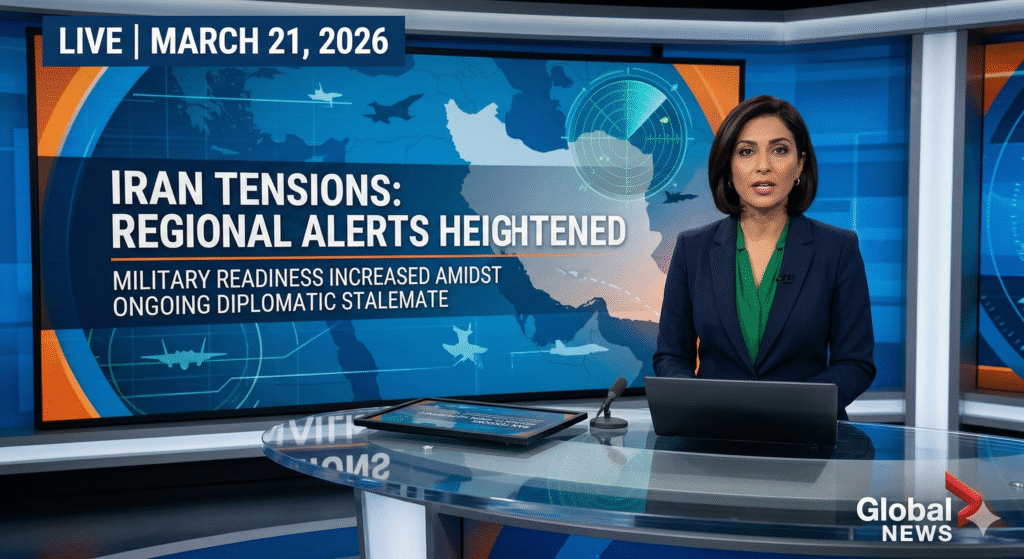
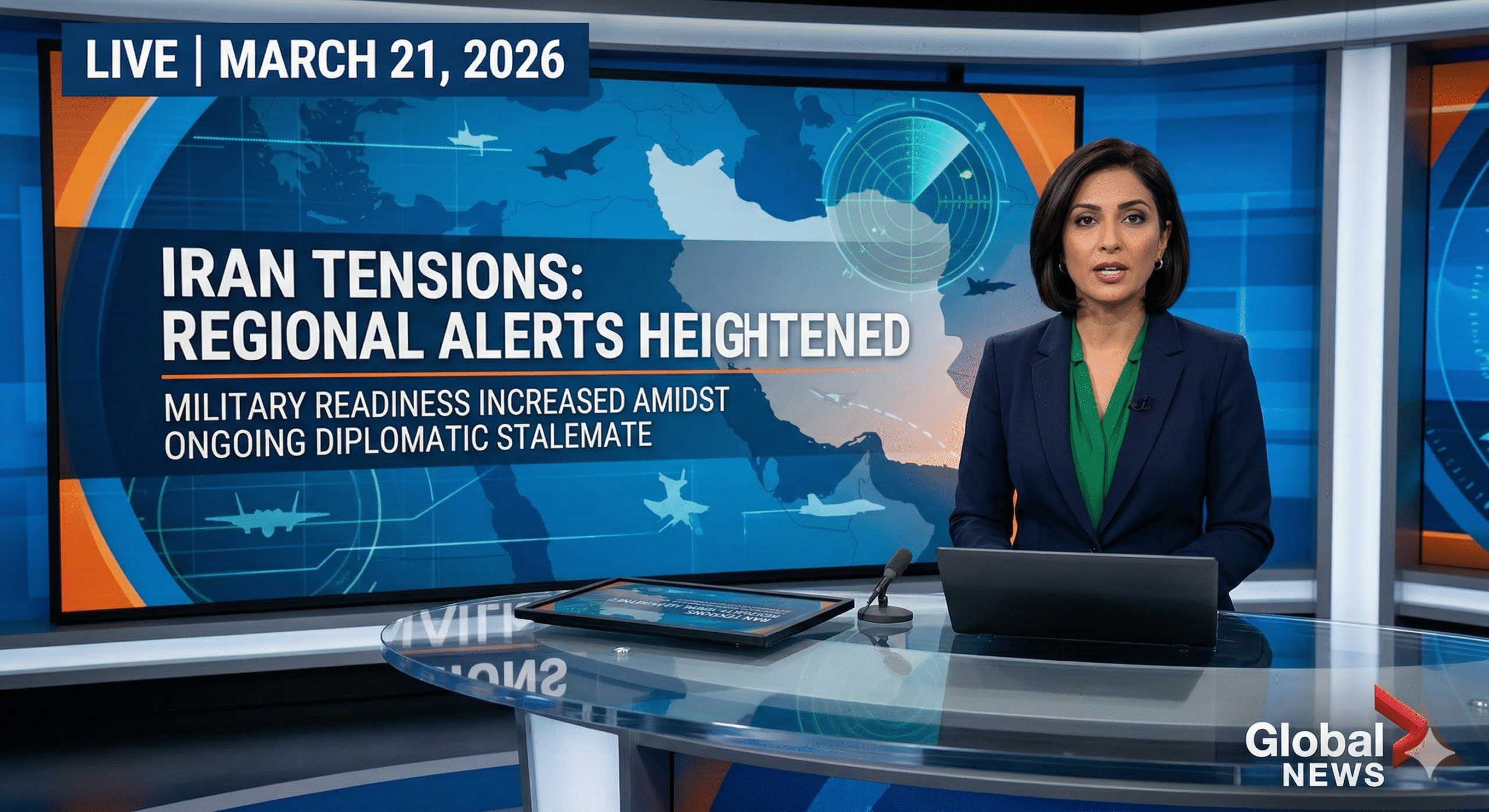
As of today, March 21, 2026, defense analysts are closely monitoring military readiness levels across the Middle East. Reports indicate that regional security alerts remain at an elevated status. This heightened awareness follows a series of diplomatic stalemates that have yet to be resolved. Monitoring these readiness levels is crucial for understanding potential friction points.
The Role of International Diplomacy
Diplomatic efforts continue to be the primary focus for international bodies seeking to maintain peace. Discussions at the UN Security Council and specialized regional summits emphasize de-escalation. However, the effectiveness of these talks is currently stymied by ongoing disagreements over key strategic issues, leading to the current state of caution.
Economic and Internal Stability Factors
Beyond military concerns, internal factors in Iran significantly contribute to the overall picture. Economic indicators, including inflation rates and trade agreements, are playing a critical role in domestic stability. Observers are particularly focused on how internal economic pressure might influence international policy decisions.
Future Outlook and Key Indicators to Watch
Looking ahead, several indicators will be crucial for forecasting the direction of tensions involving Iran:
- Progress of Diplomatic Talks: Any breakthrough or significant breakdown in negotiations.
- International Sanctions Monitoring: Changes in enforcement or scope of international sanctions.
- Regional Military Exercises: The scale and location of any scheduled or snap military drills.
We will continue to provide updates as more verifiable information becomes available.